
Leader in Air Curtain Technology…
Teddington Luftschleieranlagen GmbH is a specialist German manufacturer that has been developing and producing air curtain technologies in Germany for over 50 years. Teddington air curtains are designed to reduce uncontrolled air exchange and associated energy losses between indoor and outdoor environments in various applications, from commercial building entrances to industrial doors, high doors, and cold storage facilities.
STEKON is the Turkish representative of Teddington air curtain systems. We provide technical support for the selection, design, and commissioning of the correct air curtain based on door size, mounting height, building pressure balance, wind load, and operating conditions.
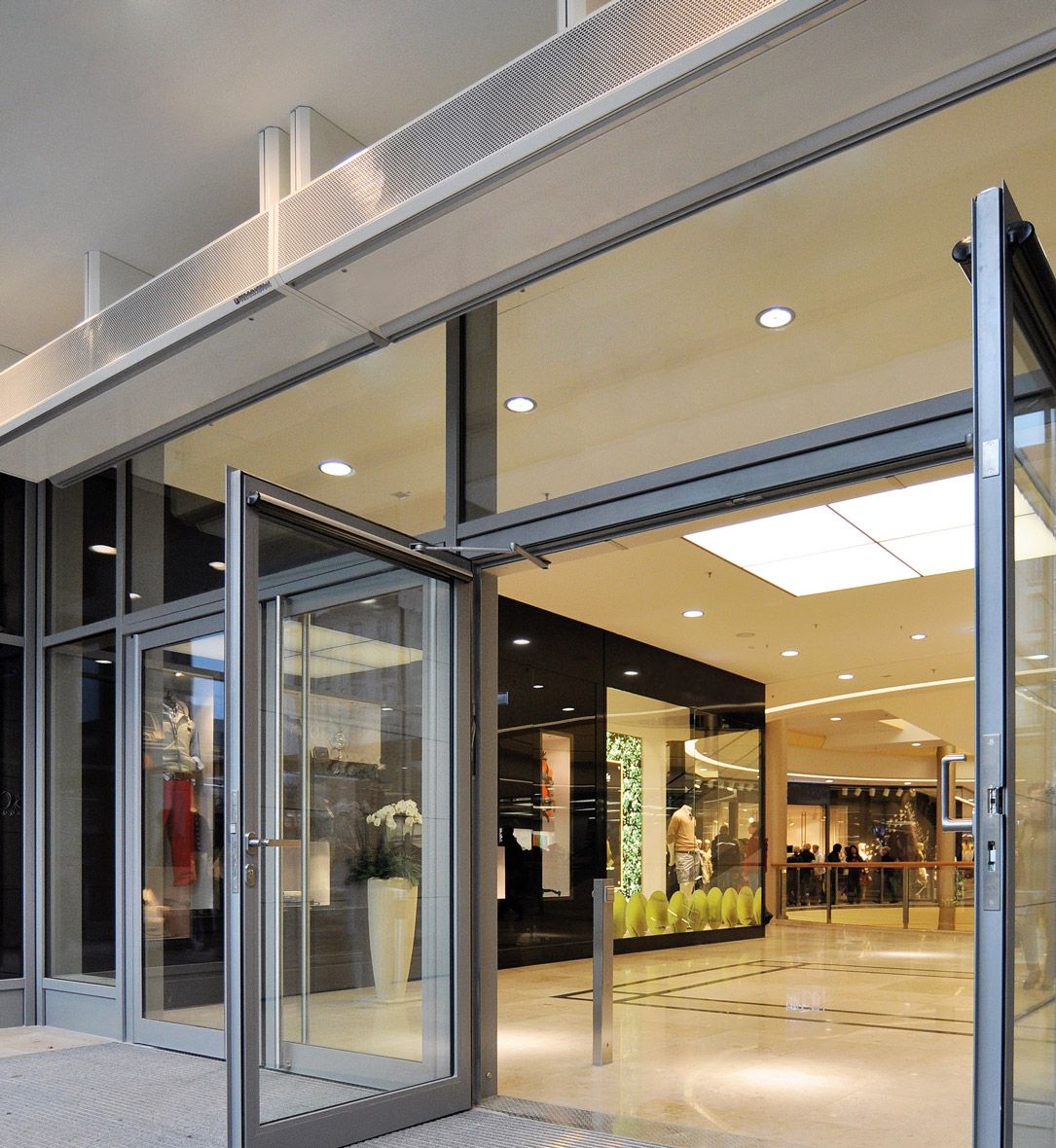
E-Series Design Air Curtain
Product Details
C-Series Comfort Air Curtains
Product Details
Delta Air Curtain
Product Details
Ellipse Air Curtain
Product Details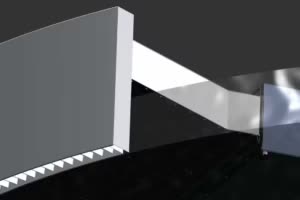
Rondo Air Curtain
Product Details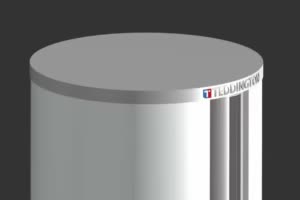
Charisma Air Curtain
Product Details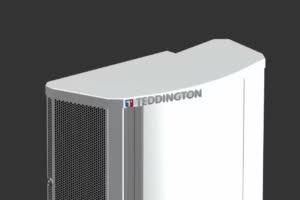
Saphir Air Curtain
Product Details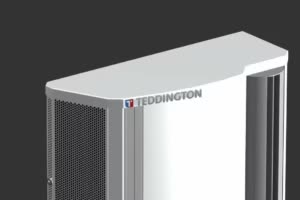
Sintra Air Curtain
Product Details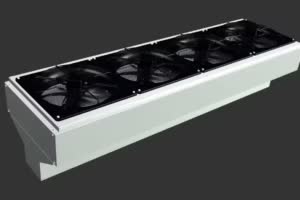
Ratiovent Industrial Air Curtain
Product Details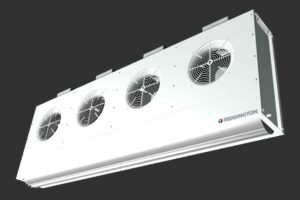
Induvent Air Curtain
Product Details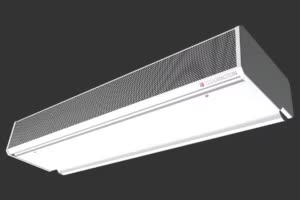
E Series Industrial Air Curtain
Product DetailsC Series Industrial Air Curtain
Product Details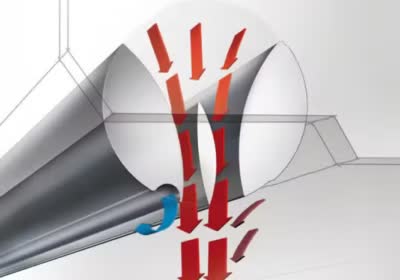
Patented CONVERGO® Nozzle Discharge System
The patented CONVERGO® nozzle discharge system achieves maximum energy efficiency with reduced noise levels.
Perfect interaction of air volume and air discharge velocity
Patented
Measured according to ISO 27327

Intensive Project Consulting
Every project is different, and each project has its unique characteristics. Consulting plays an important role in the success of a project. We offer you the following:
Support in planning, selecting the right air curtain system, and optimizing the design according to your requirements
Economic efficiency calculation with amortization period
On-site commissioning and functional verification of air curtain systems
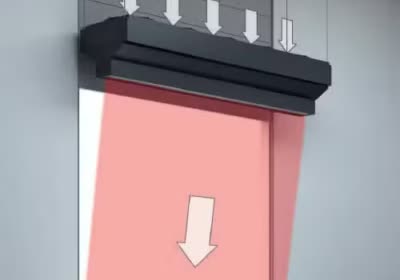
How It Works
How does an air curtain work? What does “air screening” mean?
Clear examples of how it works
Different installation types
Air curtain ISO standard 27327 explained
What does an air curtain do?
An air curtain for doors creates a strong, invisible airflow blown horizontally or vertically across door/gate openings. This airflow acts as a barrier, protecting the interior from external factors such as cold or hot air, dust, insects, and exhaust fumes, without the need to close the door. As a result, a nearly constant temperature is achieved in the heated/cooled indoor environment, maximizing comfort. Additionally, since the air curtain prevents heat escape, less energy is required for heating or cooling in its environment. This directly contributes to energy savings.
What is the difference between a cold air curtain and a hot air curtain?
The main difference between a cold air curtain and a hot air curtain is the temperature of the air they produce and their respective application areas. The choice between cold air and hot air curtains depends on the specific requirements of the application and climatic conditions. Both systems effectively contribute to increasing energy efficiency and comfort by minimizing air exchange between indoor and outdoor spaces.
Cold air curtains: Cold air curtains do not have a heat exchanger or heating element and operate with the drawn-in room air. They are mostly used in industrial areas to prevent outside air from entering through hall doors and to prevent drafts in the working area.
Hot air curtains: Hot air curtains create a barrier by blowing hot air at doors. The drawn-in room air is heated by a heat exchanger connected to the heating system or an electric heating element, creating a temperature-controlled entrance area in addition to the screening.
If you are unsure which model best suits your needs, please contact one of our consultants. We will be happy to help you find the most suitable solution for your building!
What are the advantages of a heated air curtain?
Air curtain systems can operate without heating, using circulated air, or with hot air by connecting to a heating system. It is also possible to heat the systems electrically. Effective protection can be provided in the same way with all models.
Comfort: A heated air curtain provides a pleasant temperature in the entrance area and creates an inviting environment for customers and employees. Walking through a warm air curtain when entering a room is perceived as more pleasant.
Flexibility: Air curtain heaters can be used in various environments, including retail stores, restaurants, warehouses, and other commercial buildings. Heating can be turned off when needed (e.g., if the interior is sufficiently heated). The air curtain then provides protection with circulated air.
Why are air curtains so commonly used in stores?
Stores use air curtains for several important reasons:
Energy efficiency: Air curtains minimize uncontrolled airflow between indoor and outdoor environments. This reduces heat loss in winter and the entry of hot air in summer, thereby lowering the energy consumption of heating and cooling systems.
Customer comfort: Air curtains provide a comfortable shopping experience by maintaining a stable indoor temperature. Customers find shopping in an air-conditioned environment more comfortable, without being exposed to cold drafts or hot outside air.
Aesthetic advantages: Air curtains can be elegantly integrated into the entrance architecture and used without obstructing passage. They allow doors to remain open, which increases the visibility of the store and customer flow.
Do air curtains cool a room in summer?
Air curtains are not designed to actively cool a room. Instead, they act as a barrier that prevents hot outside air from entering. By creating a strong airflow through open doors, they reduce the temperature difference between the indoor and outdoor environments.
The use of an air curtain allows the existing air conditioning system to operate more efficiently, as less energy is expended to keep the environment cool. This results in a more stable and comfortable indoor temperature, providing better indoor air quality, especially on hot summer days.
However, air curtains can also be used for cooling purposes. Cooling options include systems operating with cold water or refrigerant gases (R32/R410A). For more information, you can consult our experts.
What is the difference between an air curtain and air conditioning?
An air curtain and air conditioning have different functions. An air curtain creates an invisible airflow that prevents external factors (cold, heat, dust, or insects) from entering when doors are open. Its primary purpose is to maintain separation between indoor and outdoor spaces, without requiring a physical barrier. This helps stabilize the ambient air and saves energy by reducing heat or cold loss.
An air conditioner, on the other hand, actively regulates the temperature and humidity levels of the indoor space, cooling or heating the air. While an air curtain reduces heat or cold transfer through open doors, an air conditioner provides actual climate control for the room.
In summary, an air curtain acts as a protective barrier at open doors, while an air conditioner directly regulates the ambient air.
How energy efficient are air curtains?
Air curtains are extremely energy efficient. They minimize uncontrolled air transfer between indoor and outdoor environments by creating an invisible air barrier. This significantly reduces heat loss in winter and the entry of hot air in summer. Thus, heating and cooling systems consume less energy to maintain indoor comfort.
How much energy an air curtain can save depends on factors such as the size of the building, how often the door opens and closes, indoor and outdoor temperatures, and the efficiency of the existing heating or cooling system. However, studies show that air curtains can significantly reduce energy consumption.
Teddington brand air curtain systems stand out for their particularly high efficiency, thanks to their patented CONVERGO© nozzle discharge system design.
Are you wondering how much energy you can save in your building? You can find out through our economic calculation tool with a few clicks.
Important note:
An incorrectly designed air curtain, an underpowered device, or faulty installation can completely negate the advantages offered by the air curtain and even lead to extra energy consumption!
Therefore, be sure to consult our experts for the most suitable solution for your entrance area.
Are air curtains sustainable and environmentally friendly?
Yes, air curtains contribute to sustainability by reducing energy losses and increasing the efficiency of heating and air conditioning systems. By creating an invisible barrier, they prevent uncontrolled air exchange between indoor and outdoor spaces. This keeps the ambient temperature stable, and less energy is needed to heat or cool the interior.
As a result, air curtains can significantly reduce a building's energy consumption, which not only lowers operating costs but also reduces CO₂ emissions. These features make them an environmentally friendly solution, especially in areas with high human traffic such as shopping centers, restaurants, or commercial buildings.
How is an air curtain installed?
Air curtain installation is typically done on the ceiling or wall above the door. During installation, the position is carefully chosen to ensure the most efficient direction of airflow. After electrical connections are completed, a test run is performed to verify functionality.
How much maintenance does an air curtain require?
To ensure the proper functioning of the air curtain, it is important to regularly check for contamination, and clean the filters and fans. Additionally, regular functional tests should be performed to ensure the efficiency and longevity of the device.
If you have questions about installation or maintenance, do not hesitate to write to us – our experts will be happy to assist you.
Filter
Check / clean / replace the filter.
If the filter needs to be replaced – for example, if cracks are visible – we will be happy to provide you with suitable replacement filters. Please have the device's serial number ready for quick selection of the correct replacement filter.
Cleaning
Removal of dirt and dust from the device
Vacuum cleaning of the heat exchanger, fans, and interior
Function Check
Visual inspection for visible damage
Functional testing of the device and its components
What factors should be considered when choosing the right air curtain?
Choosing the right air curtain system for your building depends on many different factors that play an important role in determining the system's effectiveness and efficiency. Here are some of these factors:
Application area: Determine where the air curtain will be used (e.g., entrance doors, industrial doors, cold storage facilities). The application area affects the size, type, and performance requirements of the device.
Door size and height: The dimensions of the door where the air curtain will be mounted are critically important. Wider and taller doors require more powerful devices to provide effective airflow.
Climatic conditions: Consider the climatic conditions in your region. In cold regions, a heated air curtain may be necessary, while in warm climates, unheated air curtains may be more suitable. Wind conditions in the entrance area also affect the choice.
Airflow velocity: Airflow velocity is critical for the effectiveness of the air curtain. Depending on the application and environment, the appropriate airflow velocity should be selected to create an optimal barrier.
Noise level: The noise level produced by the air curtain system is important for user comfort. Especially in sensitive environments such as offices or accommodation areas, quiet models should be preferred.
By considering these factors, you can choose the ideal air curtain system for your building that maximizes both energy efficiency and user comfort. If you need help choosing the right air curtain or have other questions, please contact us.
Can air curtains contribute to employee health and reduce sick leave?
Yes, air curtains can have positive effects on employee health and help reduce sick leave. Air curtains create a more comfortable indoor environment by preventing drafts. Drafts can lead to colds and other health problems. A more stable indoor environment contributes to employees feeling better. Additionally, by reducing air exchange between indoor and outdoor environments, they lower the risk of disease-causing microorganisms entering from outside. This is a significant advantage, especially during flu or cold seasons.
How much noise do air curtains make when operating?
Modern air curtains are designed to operate quietly and unnoticed. The noise level they produce, while dependent on the device's power and installation environment, typically ranges from 40 to 60 decibels. This is similar to normal conversation or a light background sound. However, when choosing an air curtain, the noise level should always be evaluated together with the size of the entrance area and the required performance.
To better compare noise levels, it is recommended to pay attention to values given according to ISO 27327 standard. This international standard has been jointly adopted by leading European air curtain manufacturers. The technical data of Teddington air curtains comply with this standard and are regularly tested by ILK Dresden.
Teddington offers an ideal solution for areas where a quiet environment is important, such as offices, restaurants, libraries, or hotels, with its E-Series Silent model, which stands out for its quiet operation.
Do air curtains run continuously or only when needed?
Whether air curtains run continuously or not depends on the application and the specific requirements of the building. In heavily used areas, such as entrances to stores, restaurants, or office buildings, air curtains are generally used to run continuously. This provides a constant barrier against external influences such as cold, heat, or drafts.
However, most modern air curtains are equipped with sensors or controls that allow their operation to be automatically controlled. For example, they can be activated only when the door opens or when people enter and exit the entrance area. This optimizes energy consumption and ensures that devices operate only when truly needed.
In special applications such as warehouses or industrial environments, continuous operation can be beneficial to maintain a stable indoor environment and minimize energy loss. Therefore, the decision for continuous operation should be made considering the specific needs of the building and its intended use.
What are the disadvantages of an air curtain?
While air curtains offer many advantages, some potential disadvantages should be considered in the decision to use them:
Initial costs: The purchase and installation costs of an air curtain can be relatively high, especially for high-quality models or large units. However, especially in efficient air curtain systems, the initial investment costs can be recouped within a few years by preventing energy losses from open doors. You can contact our experts to find out which air curtain is the most efficient solution for your entrance area!
Energy consumption: While air curtains can help save energy, they also consume electricity to create airflow. Therefore, it is important to consider the efficiency of the device and ensure it is used correctly.
For example, Teddington air curtains, thanks to their patented CONVERGO© nozzle discharge system, use less intake air than traditional door air curtains, and thus require less energy to provide the same level of screening. You can contact us to find out how much energy you can save with a Teddington air curtain.
Maintenance: Like other mechanical devices, air curtains require regular maintenance to operate efficiently. Teddington air curtains are designed to require minimal maintenance. Teddington offers the P-series air curtain, which requires minimal maintenance thanks to its special design.
Noise: Some air curtains can generate high noise levels during operation, which can be disturbing in quiet environments. In places where noise level is important, it is recommended to prefer low-noise models such as Teddington's E-Series Silent.
Limited performance in extreme weather conditions: In very strong winds or harsh weather conditions, the effectiveness of the air curtain may decrease. In such cases, additional measures may be required to maintain indoor temperature or protect against external influences. However, some special solutions offered by Teddington can improve the performance of the air curtain even in these challenging conditions. Please contact us for detailed information.
Despite all these potential disadvantages, the numerous advantages offered by a high-quality air curtain far outweigh its drawbacks, especially in heavily used areas where comfort, energy efficiency, and protection from external factors are important.